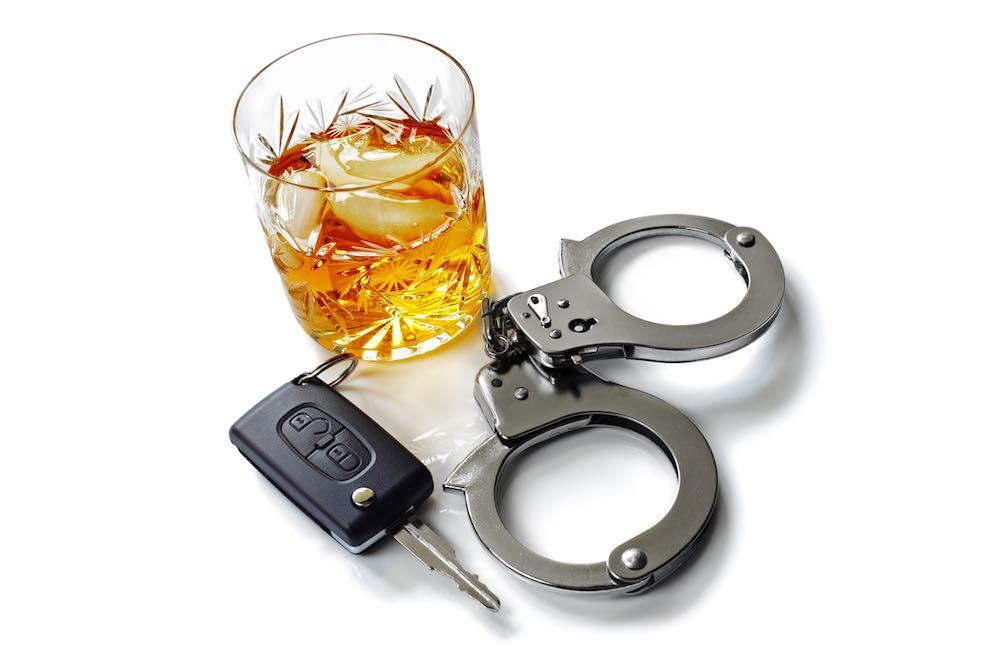
DUI checkpoints—also known as sobriety checkpoints—are a common law enforcement strategy used throughout New Jersey to deter impaired driving and enhance public safety. While these stops may seem intrusive, they are legally permitted under both federal and state law when conducted according to strict constitutional guidelines.
Understanding your rights and responsibilities at a DUI checkpoint is essential to protecting yourself and avoiding costly legal consequences. If you are facing charges, consulting an experienced attorney through the firm’s <a href=”https://stevenellmanlaw.com” target=”_blank”>New Jersey DUI defense representation</a> can significantly impact the outcome of your case.
Are DUI Checkpoints Legal in New Jersey?
Yes, DUI checkpoints are legal in New Jersey. The New Jersey Supreme Court upheld their constitutionality in State v. Kirk, establishing that sobriety checkpoints are permissible when conducted under standardized and non-discriminatory procedures.
Courts have ruled that these checkpoints balance public safety with individual constitutional protections, provided they adhere to clearly defined guidelines. According to the National Highway Traffic Safety Administration, sobriety checkpoints are proven to reduce alcohol-related crashes and fatalities.
Legal Requirements for DUI Checkpoints in New Jersey
For a DUI checkpoint to be lawful, law enforcement agencies must follow specific protocols:
1. Advance Public Notice
Authorities typically announce checkpoints through local media or public notifications to ensure transparency and deterrence.
2. Neutral Selection of Vehicles
Officers must follow a predetermined formula—such as stopping every third or fifth vehicle—to avoid discriminatory enforcement.
3. Proper Supervision and Planning
A supervising officer must establish procedures governing the location, timing, and operation of the checkpoint.
4. Visible Identification
Clearly marked police vehicles, signage, lighting, and uniformed officers must alert motorists to the checkpoint.
5. Minimal Intrusion
Stops must be brief unless officers develop reasonable suspicion that a driver is impaired.
Guidelines issued by the <a href=”https://www.njcourts.gov” target=”_blank”>New Jersey Courts</a> help ensure that sobriety checkpoints comply with constitutional standards.
What Happens During a DUI Checkpoint Stop?
If you encounter a DUI checkpoint in New Jersey, you can expect the following:
- Officers will request your driver’s license, registration, and proof of insurance.
- They may ask brief questions regarding alcohol consumption.
- Officers will observe your demeanor, speech, and physical condition.
- If impairment is suspected, you may be directed to a secondary screening area for further evaluation.
The <a href=”https://www.nj.gov/mvc/” target=”_blank”>New Jersey Motor Vehicle Commission</a> enforces strict DUI regulations to promote road safety across the state.
Your Rights at a New Jersey DUI Checkpoint
Knowing your rights ensures that you remain compliant while protecting yourself legally.
You Have the Right to Remain Silent
While you must provide identification and required documentation, you are not obligated to answer incriminating questions.
You May Decline Field Sobriety Tests
Field sobriety tests are voluntary in New Jersey. However, refusing them may prompt officers to investigate further.
Refusing a Breath Test Has Consequences
Under New Jersey’s implied consent law, refusing a breathalyzer test can result in automatic license suspension, fines, and additional penalties—even if you are not convicted of DUI.
You Have the Right to Legal Representation
If arrested, you have the right to seek legal counsel. An experienced attorney can evaluate your case and develop a strategic defense. Learn more about your options through <a href=”https://stevenellmanlaw.com” target=”_blank”>Steven Ellman Law’s criminal defense services</a>.
Can You Legally Avoid a DUI Checkpoint?
Yes, drivers may legally avoid a DUI checkpoint in New Jersey—but only if they do so safely and without violating traffic laws. For example, making a lawful turn before entering a checkpoint is permissible.
However, illegal maneuvers such as U-turns, running a red light, or reckless driving may provide officers with probable cause to initiate a traffic stop.
Penalties for DUI in New Jersey
New Jersey imposes strict penalties for DUI convictions. Consequences vary depending on blood alcohol concentration (BAC) and prior offenses.
First Offense
- Fines and court fees
- License suspension or restrictions
- Ignition interlock device installation
- Insurance surcharges
- Mandatory alcohol education programs
Second Offense
- Increased fines and penalties
- Extended ignition interlock requirements
- Possible jail time
- Community service
Third Offense
- Mandatory jail sentence
- Long-term license suspension
- Significant financial penalties
These consequences highlight the importance of obtaining experienced legal representation as soon as possible.
Defenses Against DUI Arrests at Checkpoints
A skilled DUI defense attorney may challenge the legality of a checkpoint stop or the validity of the evidence. Common defense strategies include:
Improperly Conducted Checkpoint
If law enforcement failed to follow required procedures, the charges may be dismissed.
Lack of Probable Cause
Officers must demonstrate reasonable suspicion before conducting further testing or making an arrest.
Inaccurate Breathalyzer Results
Errors in calibration, maintenance, or administration can compromise chemical test results.
Violation of Constitutional Rights
Any infringement upon your Fourth Amendment rights may render evidence inadmissible in court.
Procedural Errors
Mistakes in documentation or evidence handling can weaken the prosecution’s case.
Working with an experienced attorney from <a href=”https://stevenellmanlaw.com” target=”_blank”>Steven Ellman Law</a> ensures that every aspect of your case is carefully examined.
Tips for Drivers Approaching a DUI Checkpoint
To ensure a smooth interaction:
- Remain calm and courteous.
- Have your documents ready.
- Follow officer instructions.
- Avoid making incriminating statements.
- Do not consent to unnecessary searches.
- Contact an attorney immediately if arrested.
Frequently Asked Questions
Are DUI checkpoints constitutional in New Jersey?
Yes. They are legal when conducted according to guidelines established by the New Jersey Supreme Court.
Do police have to announce DUI checkpoints in advance?
Generally, advance notice is provided to ensure transparency and compliance with legal standards.
Can I refuse a breathalyzer test in New Jersey?
You can refuse, but doing so triggers automatic penalties under the state’s implied consent law.
Can I turn around to avoid a checkpoint?
Yes, as long as you obey traffic laws and do not engage in unsafe or illegal maneuvers.
Do I need a lawyer after a DUI arrest?
Absolutely. An experienced DUI defense attorney can help protect your rights and pursue the best possible outcome.
Conclusion
DUI checkpoints play a critical role in promoting public safety throughout New Jersey. However, they must be conducted in accordance with strict legal standards to protect motorists’ constitutional rights. Understanding how these checkpoints operate—and knowing your rights—can make all the difference if you are stopped or arrested.
If you or a loved one is facing DUI charges, the experienced legal team at Steven Ellman Law is prepared to provide strategic, results-driven defense. Seeking knowledgeable representation is the first step toward protecting your future.