
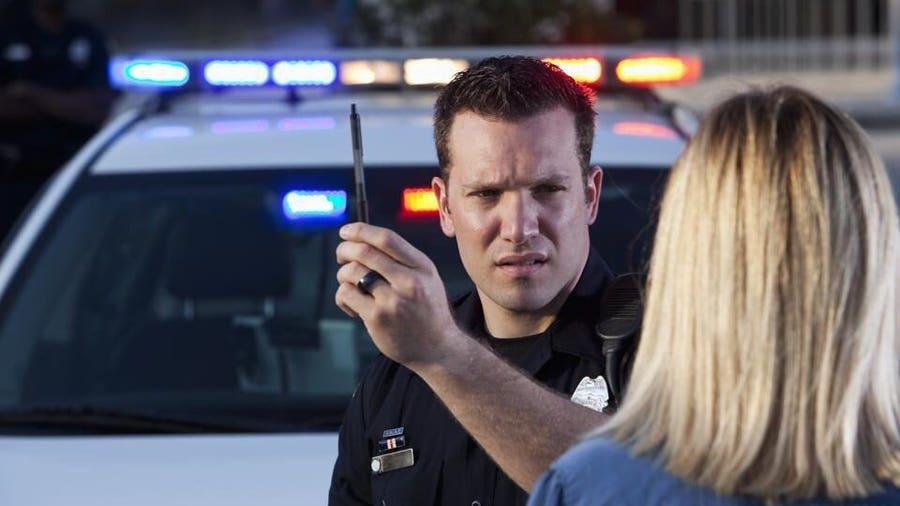
Being stopped for suspected driving under the influence (DUI) in New Jersey can be a stressful and intimidating experience. One of the most critical moments during a DUI stop occurs when a law enforcement officer requests that you submit to a breathalyzer test. While some drivers believe they have the absolute right to refuse, New Jersey law imposes strict penalties for doing so.
Understanding your legal obligations, the consequences of refusal, and your available defense options is essential. If you are facing DUI or refusal charges, consulting an experienced attorney through Steven Ellman Law’s DUI defense services can help protect your rights and future.
What Is New Jersey’s Implied Consent Law?
New Jersey operates under an implied consent statute, which means that by driving on the state’s roads, motorists automatically agree to submit to chemical testing if lawfully arrested for suspected DUI. This law is codified under N.J.S.A. 39:4-50.2 and is designed to aid law enforcement in combating impaired driving.
Under this statute:
- Drivers must submit to breath testing when requested.
- Refusal results in automatic penalties.
- Charges apply even if the driver is not ultimately convicted of DUI.
According to the New Jersey Motor Vehicle Commission, implied consent laws help enhance roadway safety and deter impaired driving throughout the state.
Is Refusing a Breathalyzer Legal in New Jersey?
While you technically can refuse a breathalyzer test, doing so is considered a separate violation under New Jersey law. A refusal is not treated as a constitutional right in the same manner as remaining silent. Instead, it triggers administrative and legal penalties that can be just as severe as those for a DUI conviction.
Courts in New Jersey have consistently upheld refusal penalties to support public safety initiatives and reduce alcohol-related crashes. Guidance from the National Highway Traffic Safety Administration confirms that chemical testing plays a vital role in enforcing DUI laws nationwide.
Penalties for Refusing a Breathalyzer in New Jersey
Refusal to submit to a breath test carries significant consequences, even for first-time offenders. Unlike many criminal charges, refusal penalties are mandatory upon conviction.
First Offense
- License suspension until ignition interlock installation
- Ignition interlock device for 9 to 15 months
- Fines and court costs
- Insurance surcharges
- Additional administrative fees
Second Offense
- License suspension for 1 to 2 years
- Ignition interlock device for 2 to 4 years after restoration
- Substantial fines and surcharges
Third or Subsequent Offense
- License suspension for up to 8 years
- Ignition interlock device for 2 to 4 years after restoration
- Severe financial penalties
These penalties underscore the importance of securing experienced representation through Steven Ellman Law’s criminal defense practice.
Difference Between a DUI and a Refusal Charge
Although closely related, DUI and refusal charges are separate offenses in New Jersey.
| Offense | Key Element | Evidence Required |
|---|---|---|
| DUI | Driving while impaired | Observations, field sobriety tests, and chemical tests |
| Breathalyzer Refusal | Failure to submit to testing | Officer testimony and procedural compliance |
A driver may face both charges simultaneously. However, it is possible to be acquitted of DUI and still be convicted of refusal if the prosecution proves non-compliance with implied consent laws.
What Happens After You Refuse a Breathalyzer?
If you refuse a breathalyzer test in New Jersey, the following typically occurs:
- Arrest and Citation – You will be charged with refusal and possibly DUI.
- Vehicle Impoundment – In certain cases, your vehicle may be towed.
- Court Appearance – Your case will be heard in municipal court.
- Administrative Penalties – License suspension and fines may apply.
- Ignition Interlock Requirement – Installation of a device may be mandatory.
Understanding this process allows you to make informed decisions and prepare an effective defense.
Legal Defenses Against Breathalyzer Refusal Charges
A refusal charge does not automatically result in conviction. An experienced DUI attorney can evaluate the circumstances and challenge the prosecution’s case. Common defense strategies include:
1. Lack of Probable Cause
Law enforcement must have a valid reason to initiate the traffic stop. If probable cause is lacking, the charges may be dismissed.
2. Improper Instructions
Officers are required to read a standardized statement explaining the consequences of refusal. Failure to do so may invalidate the charge.
3. Failure to Follow Proper Procedures
Strict protocols govern DUI investigations. Any deviation from these procedures can weaken the prosecution’s case.
4. Medical or Physical Limitations
Certain medical conditions—such as asthma, respiratory disorders, or injuries—may prevent a driver from completing a breath test.
5. Language Barriers
If the driver did not understand the officer’s instructions due to language barriers, the refusal may not be legally valid.
6. Equipment or Administrative Errors
Issues with testing equipment or documentation can also serve as grounds for dismissal.
Working with an experienced attorney from Steven Ellman Law ensures that every detail of your case is thoroughly examined.
Long-Term Consequences of a Refusal Conviction
Beyond immediate penalties, a refusal conviction can have lasting impacts on your life:
- Increased auto insurance premiums
- Employment challenges
- Professional licensing issues
- Financial hardship due to fines and surcharges
- Mandatory ignition interlock installation
- Loss of driving privileges
These consequences highlight the importance of obtaining knowledgeable legal counsel.
Should You Refuse a Breathalyzer in New Jersey?
There is no universal answer to this question. While refusal may limit certain evidence, it also carries automatic penalties. The best course of action depends on the circumstances of your case.
If you have already refused a breathalyzer, seeking immediate legal guidance from Steven Ellman Law’s New Jersey DUI attorney is essential to protecting your rights and minimizing potential consequences.
Frequently Asked Questions
Is refusing a breathalyzer a criminal offense in New Jersey?
Refusal is considered a traffic violation rather than a criminal offense, but it carries serious penalties similar to a DUI conviction.
Can I refuse a breathalyzer without consequences?
No. Refusal results in mandatory fines, ignition interlock requirements, and license suspension.
Can I still be charged with DUI if I refuse the test?
Yes. Prosecutors may rely on officer observations and field sobriety tests to pursue DUI charges.
Will I lose my license for refusing a breathalyzer?
Yes. License suspension and ignition interlock installation are common penalties.
Do I need an attorney for a refusal charge?
Absolutely. An experienced DUI defense lawyer can evaluate your case and develop a strategic defense.
Why Choose Steven Ellman Law?
Steven Ellman Law provides experienced, results-driven representation for clients facing DUI and refusal charges throughout New Jersey. The firm is dedicated to protecting clients’ rights, minimizing penalties, and achieving favorable outcomes through strategic legal advocacy.
Whether you are confronting a first-time offense or a repeat charge, knowledgeable counsel can make all the difference.